How Analyzing a Competitor’s Videos Makes Yours Better.

“Competitor” sounds nasty but it doesn’t have to be. In fact it’s almost always better to form a creator community in your niche because you can support each other, and even collaborate on future projects.
So I use the term “competitor” loosely and to mean channels that have similar target audiences in the same niche as you.
The term of course implies that you are competing against them in some way, in theory for your audience’s attention, but I think it’s more helpful to think of it as you both carving out a space on the same plot of land.
If your channels are well-done, they’ll be unique and interesting enough on their own to attract similar, but not identical audiences. After all, what someone likes about you won’t be exactly the same thing that they like about the other channel.
That’s why it’s so important to watch and analyze the videos of other channels in your niche. Making this a habit is a great way to get ideas for content, stay up to date on what’s going on in your niche, and to keep refining your voice and style into a recognisable brand.
Why Your Retention Curve Dips in the Middle and how to Avoid it.

If you’re here, it’s probably because you’ve been checking your retention curves and noticed that they’re dipping in the middle. The graph can tell you where, but not exactly why or how, which is what this post is for.
Losing retention in the middle feels a bit odd, since there’s usually a natural drop at the beginning, and then maybe towards the end if you’ve closed the video a bit too prematurely. But why does retention drop in the middle?
It’s all in the script.
How to Tell if Your YouTube Script is Actually Good.

Congrats! You wrote a full on YouTube script. But now the doubt is creeping in. Maybe it isn’t as good as you thought, or it’s completely missed the mark, or your competitor just published a video that’s about the exact same thing.
Or maybe, you’re overthinking.
But how do you tell the difference?
As a professional writer/overthinker, I’ve had to develop a process for vetting the scripts I write to make sure they perform well. You may have a similar process in a gut feeling of reading a script and knowing it will make a great video.
So let’s strip that feeling down and really dig into how you can tell if your video is a hit or a miss, and why that even matters.
What Changes About YouTube Scriptwriting When Your Channel Reaches 100k+ Subscribers.

For a lot of creators, this marks a real turning point from treating their channel as a hobby, to turning it into a full time job, especially if you have a healthy patreon and/or some great brand deals lined up.
As you and the channel grow, it’s natural that your ideas will too, perhaps even quicker. That means you’re probably going to encounter the dreaded gap. If you haven’t already.
The term was coined by Ira Glass and it’s kind of a fig tree metaphor. It’s when you have a great, amazing idea, but you can’t fully realize it because your skills aren’t quite there yet. So there is a gap between what you want to create, and what you actually can create.
A lot of the creative people around me experience this incredibly often, me included. So it’s important to know how to manage the gap so that it can motivate you to keep improving your craft, particulalry on the scripwriting side of things.
How to Tell if an Idea Would Make a Good YouTube Video

As a creator and a creative, your head is likely swimming with ideas almost all the time which makes it hard to tell which one you should pursue next.
Like a garden, any one of those ideas could flourish into a great video with enough water and sunlight (more into what those are later). So choosing an idea becomes more about testing if it can be developed in three key ways.
This is something I’ve done a lot of as a scriptwriter, but even more so as a screenwriter where you have to pitch your ideas to see if they spark interest with a producer. Of course in this case, you are the writer and the producer. Production-ception.
So here’s how you can develop your idea into a solid video pitch that will help you ensure it has the elements for success.
Why Over-Explaining Is Killing Your Educational Videos.

Writing an educational script is complicated. How do you balance giving accurate information with delivering content that engages your audience? Good news is they’re kind of the same thing.
To educational audiences, the value that comes from explaining ideas is the reason they engage with the video so writing scripts in this niche is really about making that value accessible to that audience.
But to this end, scripts can often over-explain complex topics that make audiences feel talked down to or worse, insulted.
Avoiding this can be challenging, particularly when dealing with very complex fields, but here are some tips I’ve used to write for educational channels that may help you out.
The Pros and Cons of Using AI to Write Your Video Scripts
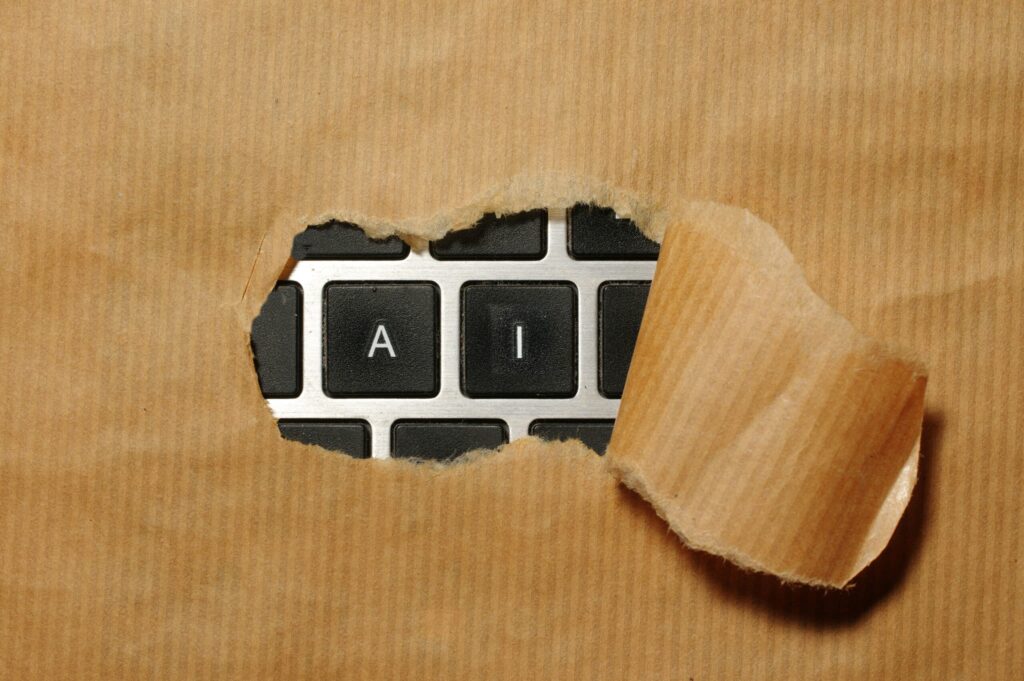
Last week I ran into a post over at r/youtubers asking if anyone still wrote their scripts now that AI was a thing and it really got me thinking about the pros and cons of how AI can fit into someone’s process.
As someone who writes YouTube scripts for a job, I want to share some honest thoughts from the perspective of making the best script possible. I’m not here to doomsday, but I am here to share my expertise and explain the why instead of just saying “do this” or “no don’t do that.”
3 Reasons Why Writing Your Video Script Is Taking Too Long

“Writing” is really a multi-step process to create a 10+ minute video that has days of work behind it.
This is particularly true of any channel that concerns itself with accuracy so saving time isn’t about “cutting corners” but about making your process more efficient so you don’t sacrifice quality or credibility.
Ergo, if you feel like writing a video script is taking too long, it’s probably because something is up with your process.
How to Make Entertaining Educational YouTube Videos (That Don’t Feel Like a Lecture).

The educational niche on YouTube is a very interesting space where videos often struggle to find the balance between giving accurate information and entertaining an audience.
Good news is if your viewers are watching your educational content, they likely find enjoyment in that accurate information. They become one in the same, but if this was the only thing needed to keep viewers watching, then algebra lectures would be going viral.
How to Brief a YouTube Scriptwriter
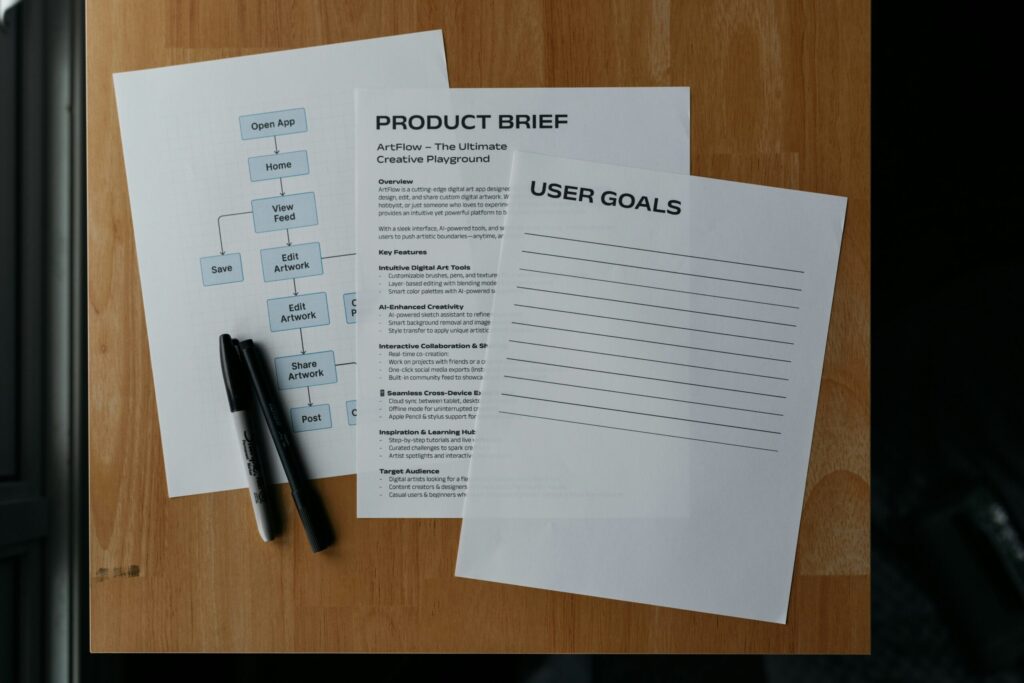
So you’ve hired or are thinking of hiring your first YouTube scriptwriter, first of all, celebrate the milestone! This likely means your channel is growing and that you’re getting serious.
Hiring a writer will save you time, improve the quality of your content and help you stay consistent without burning out. Sounds pretty great.
But for all of those wonderful things to happen, you have to make sure your writer knows what to deliver and how you go about communicating this information can mark the difference between a great collaboration and one that struggles.
Let’s imagine two scenarios, A and B, both run educational channels and have the same voice and style. Let’s see how these two channels fare at briefing their writers and what effects that produces.