
There are millions of millions of ways to approach writing a YouTube hook. We can narrow that down by focusing on one niche, let’s say educational videos.
But even then, there’s so much variance, you could be writing:
- An explainer
- A historical deep-dive
- An academic break down
- A video essay
And so many more. Exactly how you approach writing your hook will depend on the type of content you are creating and who you are creating it for, but there are underlying principles that apply to most hooks that can help guide you in the right direction.

1. What Question Does the Packaging Create?
Let’s put ourselves in the shoes of a viewer. When you click on a video, it’s probably because the thumbnail and the title generated some curiosity.
They create a question that you want the answer to and the video can give you those answers.
When we think of it like this, the role of the hook is about engaging that curiosity and generating even more questions that will get you to watch the video all the way to the end.
So you have to ask yourself, what question does my packaging present to my audience?
Here’s a couple quick-fire examples from well-performing educational channels that do this really well:
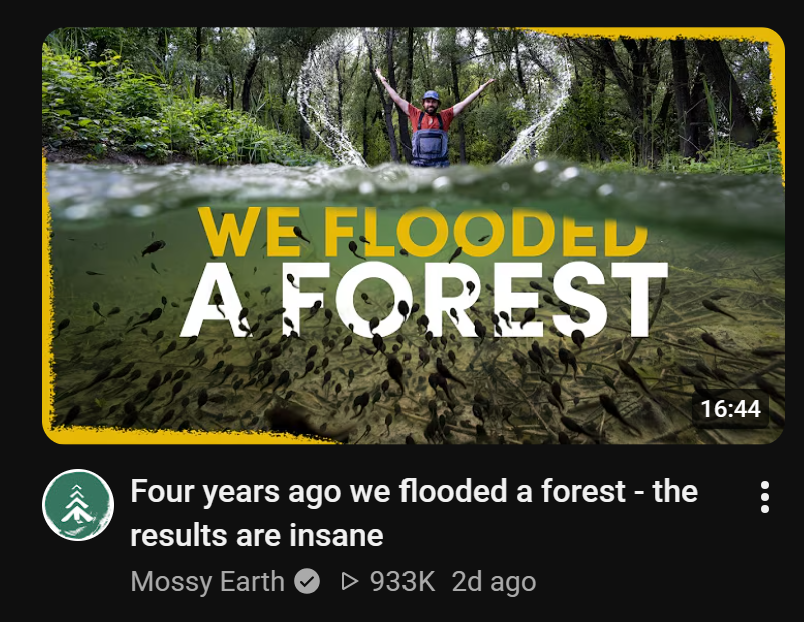
Question: How did they flood a forest, how is it not dead and what did it do that is so insane?
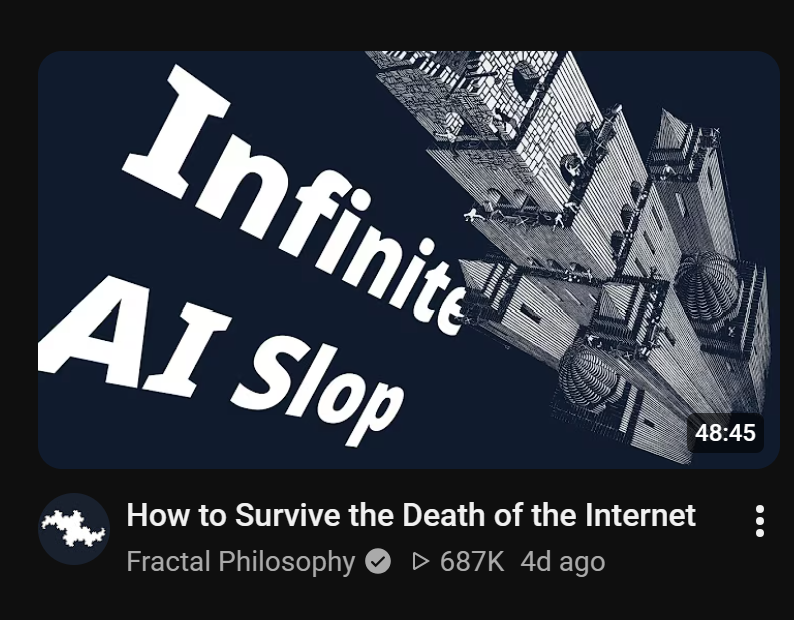
Question (in this case, the title itself): Why is AI slop going to cause the death of the internet and how do I survive it?
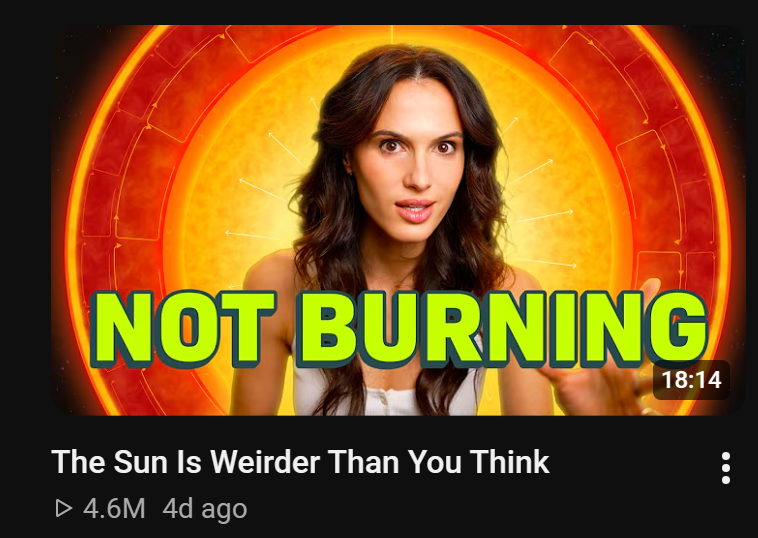
Question: What makes the sun weird and more importantly why is it not burning?
2. What Does my Audience Immediately Want to Know and How Can I Tell Them as Little as Possible?
When viewers of these videos click, they expect an answer to their question. But that doesn’t mean you give them everything right away.
Instead, you want to fuel their curiosity by getting them to ask even more questions.
So, what do they immediately want to know? What answer can you provide that makes them even more curious?
Let’s take a deep dive look into Cleo Abram’s video about the sun:
- “If you dove into the Sun… the first layer you’d hit is hot enough to make diamonds boil. If you keep going, you’re passing through churning bubbles the size of France. And then you’re lost in a zone so dense that light itself takes 170,000 years to escape”
This hook is great because Cleo answers the audience’s question with facts that you may not know which reveal just how deep the layers and complexity of the sun go.
Once that initial curiosity is sated, she then re-engages you with:
- “… and you’re still not at the place where it unleashes enough energy to power… all life on Earth.”
This lets us know that what we’ve just learned is just the tip of the iceberg, which keeps us watching because we want to know how weirder or “deeper” can the sun get?
3. How do I tease What the Video is Really About?
Every video should have a point. The thing you want the audience to come away with when the video is over.
Your hook has already started answering their initial question, but chances are their initial question isn’t what the video is really about, at least not in its entirety, so the hook also has the job of teasing the big payoff or the big reason why the audience should now stay and watch the rest of the video.
Let’s return to Cleo:
- “Right now, we’re in a golden age of new solar science. We’re getting close-up pictures of the Sun’s surface in more detail than ever before, sending probes into its atmosphere and revealing secrets about our star we never thought possible.
Here, Cleo tells the audience why they should care about what is coming next: we have new technology that allows us to understand just how weird the sun is. This already does the job of setting up the video’s big payoff because it makes the audience ask, what is all this new tech revealing?
And then she teases that big payoff:
- “Trust me, after this video, you’ll never look up at the Sun the same way. So, let me take you on a journey… into the Sun.”
Now the audience wants to keep watching, not just because the sun is weird and they want to learn more about it, but because they want to know how their perspective of the sun is going to be changed forever.
Putting it All Together.
So at the end of the day, a hook is about:
- Answering the audience’s initial question
- By not giving too much away too early
- And in a way that teases the video’s big payoff.
Your hook will likely not sound like Cleo’s, or like anyone else’s and that’s because it shouldn’t. Think of these questions as foundational pillars that you can build your own hook around.
Exactly what engages your audience into your type of video comes down to your approach, so remember to keep an eye on your retention, use data from past success, and remember that originality (with a little bit of clever strategy) is what makes your video stand out.