
How Analyzing a Competitor’s Videos Makes Yours Better.

“Competitor” sounds nasty but it doesn’t have to be. In fact it’s almost always better to form a creator community in your niche because you can support each other, and even collaborate on future projects.
So I use the term “competitor” loosely and to mean channels that have similar target audiences in the same niche as you.
The term of course implies that you are competing against them in some way, in theory for your audience’s attention, but I think it’s more helpful to think of it as you both carving out a space on the same plot of land.
If your channels are well-done, they’ll be unique and interesting enough on their own to attract similar, but not identical audiences. After all, what someone likes about you won’t be exactly the same thing that they like about the other channel.
That’s why it’s so important to watch and analyze the videos of other channels in your niche. Making this a habit is a great way to get ideas for content, stay up to date on what’s going on in your niche, and to keep refining your voice and style into a recognisable brand.
What Changes About YouTube Scriptwriting When Your Channel Reaches 100k+ Subscribers.

For a lot of creators, this marks a real turning point from treating their channel as a hobby, to turning it into a full time job, especially if you have a healthy patreon and/or some great brand deals lined up.
As you and the channel grow, it’s natural that your ideas will too, perhaps even quicker. That means you’re probably going to encounter the dreaded gap. If you haven’t already.
The term was coined by Ira Glass and it’s kind of a fig tree metaphor. It’s when you have a great, amazing idea, but you can’t fully realize it because your skills aren’t quite there yet. So there is a gap between what you want to create, and what you actually can create.
A lot of the creative people around me experience this incredibly often, me included. So it’s important to know how to manage the gap so that it can motivate you to keep improving your craft, particulalry on the scripwriting side of things.
How to Tell if an Idea Would Make a Good YouTube Video

As a creator and a creative, your head is likely swimming with ideas almost all the time which makes it hard to tell which one you should pursue next.
Like a garden, any one of those ideas could flourish into a great video with enough water and sunlight (more into what those are later). So choosing an idea becomes more about testing if it can be developed in three key ways.
This is something I’ve done a lot of as a scriptwriter, but even more so as a screenwriter where you have to pitch your ideas to see if they spark interest with a producer. Of course in this case, you are the writer and the producer. Production-ception.
So here’s how you can develop your idea into a solid video pitch that will help you ensure it has the elements for success.
3 Scriptwriting Productivity Tips for Busy YouTube Content Creators

As a full-time content creator your channel is your business. That means you wear all the hats of that business from marketer to editor to producer and writer. This gets easier to manage as you build a team which means you can outsource some of that work and re-focus your time.
But, assuming you are building a great team, (shout out to everyone working behind the scenes on a youtube channel) the work will continue to grow, and outsourcing that work is of course part of the productivity equation, but it is not all of it.
Should You Hire a YouTube Scriptwriter?

As a creator, you wear all of the hats, all of the time. You’re a producer, an editor, a business owner, a marketing manager, a talent agency and a writer. So as your channel grows, the weight of all those hats increases which can burn you out and affect your upload schedule, even (and especially) if you love what you do.
A lot of channels mitigate this by getting a helping hand. This can go up to 30+ people teams, but when you’re starting to feel this pressure around the 100k subscriber or 200-250K view mark, you likely won’t have the resources to onboard a whole team. However, you may have the means to and interest in bringing on one or two people.
How to Brief a YouTube Scriptwriter
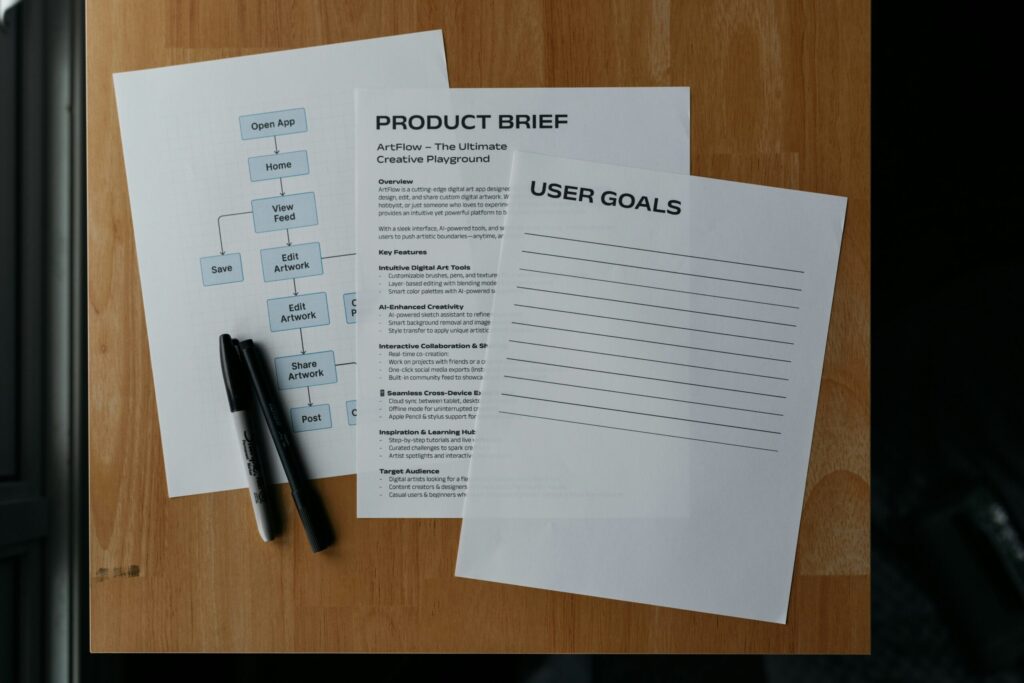
So you’ve hired or are thinking of hiring your first YouTube scriptwriter, first of all, celebrate the milestone! This likely means your channel is growing and that you’re getting serious.
Hiring a writer will save you time, improve the quality of your content and help you stay consistent without burning out. Sounds pretty great.
But for all of those wonderful things to happen, you have to make sure your writer knows what to deliver and how you go about communicating this information can mark the difference between a great collaboration and one that struggles.
Let’s imagine two scenarios, A and B, both run educational channels and have the same voice and style. Let’s see how these two channels fare at briefing their writers and what effects that produces.
The Reason Your Video Essays lose viewers (and how to fix it).

If you make video essays, you might notice that there’s a significant dip in retention around the middle of your video. I’ve certainly noticed it as a viewer and writer of this type of content.
Video essays generally have lower retention rates because they tend to go over 20 minutes. That’s mostly because of those pesky short attention spans we’re all dealing with today, but let’s look at the numbers.
A 5-10 minute video has around 30% retention beyond the hook. While a 20+ minute one only has 19.7%
Writing Your Own Scripts vs Hiring a Scriptwriter: A Real Cost Breakdown.

If your channel is starting to grow past a certain point, you’re probably feeling the weight of wearing all the hats which is a one-way road to burning out.
Some creators are happy to manage the bulk of labour themselves, but some creators could really benefit from having a helping hand.
Most often this means hiring an editor but something a lot of creators don’t consider, at least until they reach the 1 million subscriber mark, is collaborating with a scriptwriter.